

BMC industrial automation solutions
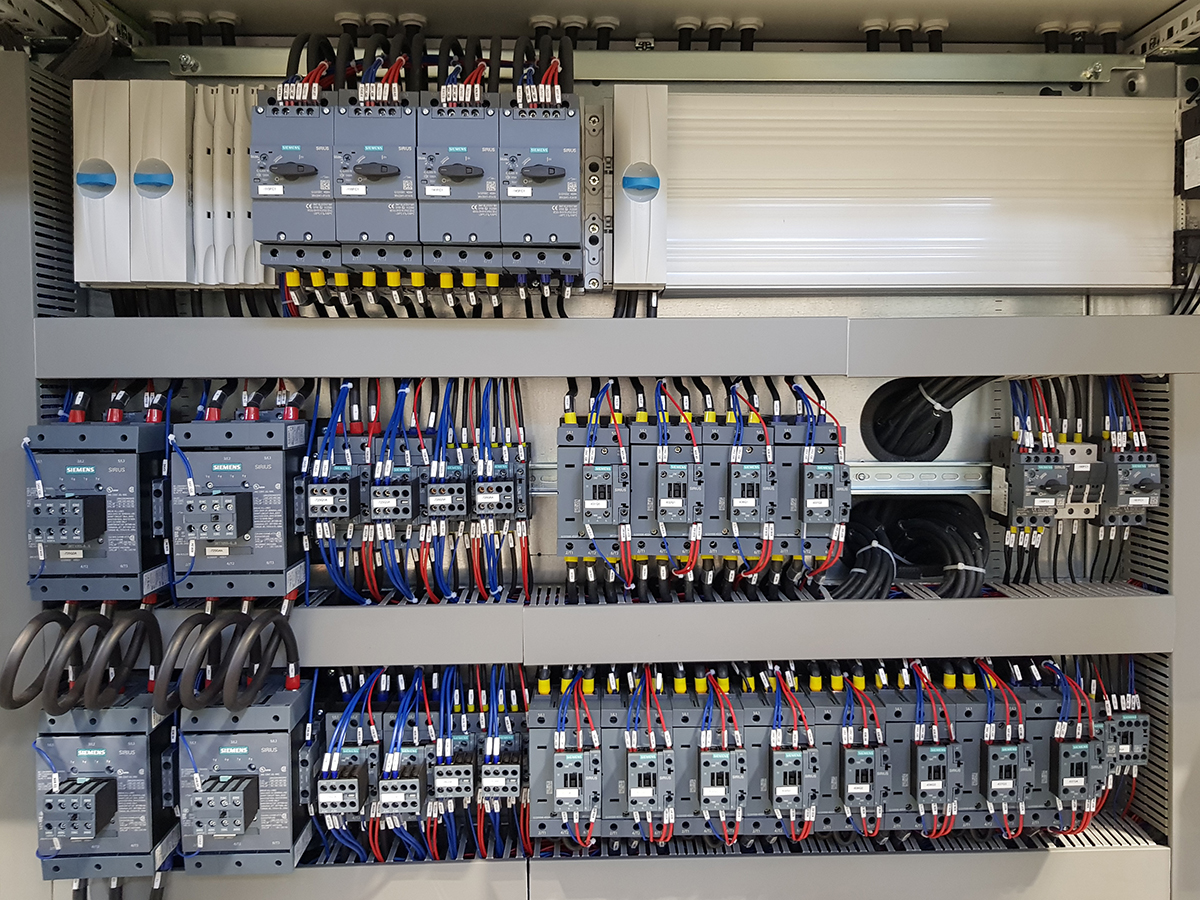
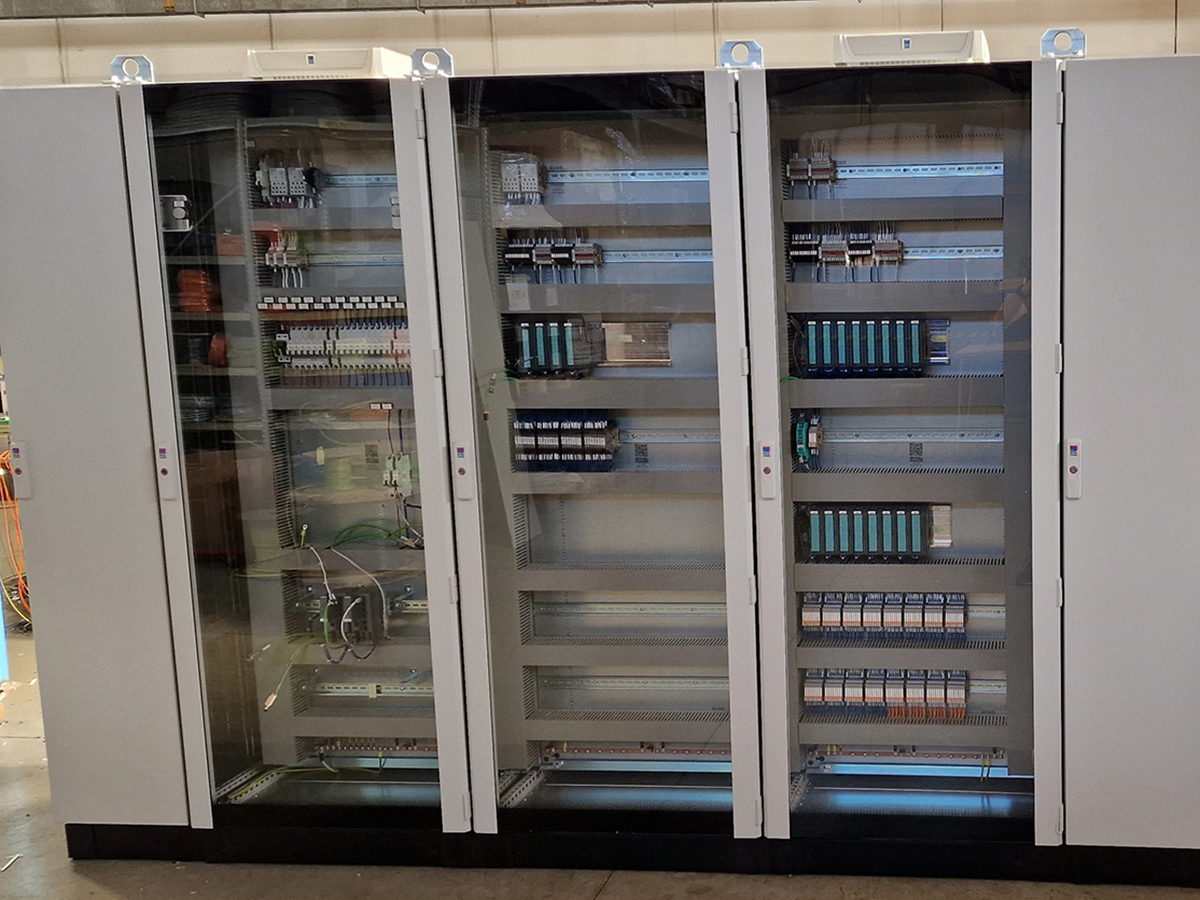
A significant part of what we do is building electrical equipment on a subcontract basis: either built to print, from the documentation and specifications you supply, or developed with support from our in-house technical office.
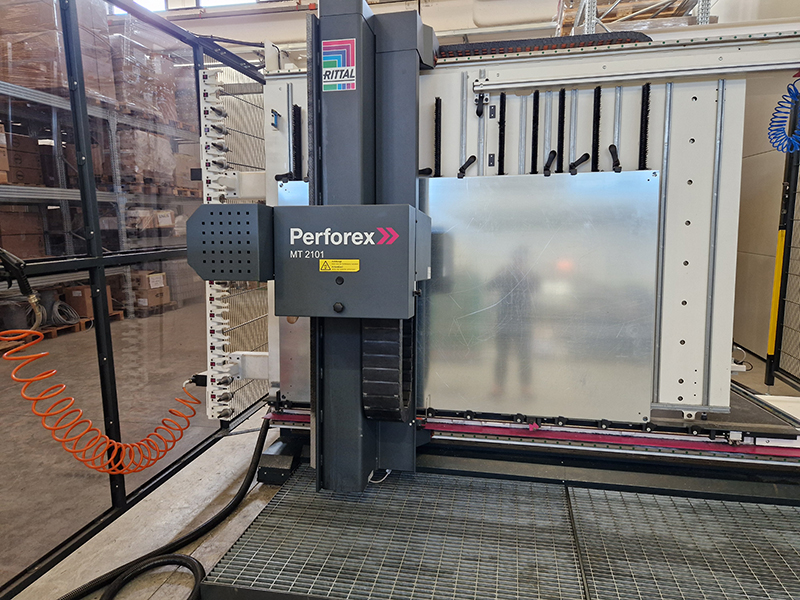
That equipment goes into automatic machinery, production lines, handling systems, process plant and special applications. How we organise the build depends on the project: the components involved, the volumes, and the testing arrangements we agree beforehand.
We can act as a straightforward supplier, building exactly what you have already specified, or as a technical partner — weighing up the options with you, working out how the connections should be organised and how the various subsystems fit together.
Either way you are dealing with a supplier that understands not just the piece of equipment, but how it will have to communicate with everything else on the machine.
We are set up for prototypes and batches at very different levels of complexity and quantity. That might start with a single unit for technical validation, a trade fair or the testing of a new idea, and go on through sample runs into series production.
At the prototype stage the valuable work is checking that documentation, components, connections and operating logic all agree with each other. Anything that turns out to be wrong gets corrected before the batch goes into production, rather than being repeated on every unit that follows.
Once a project is industrialised, procedures, identification and checks are organised to keep one unit consistent with the next — which gives you equipment that behaves the same way every time and a production schedule you can actually plan around.
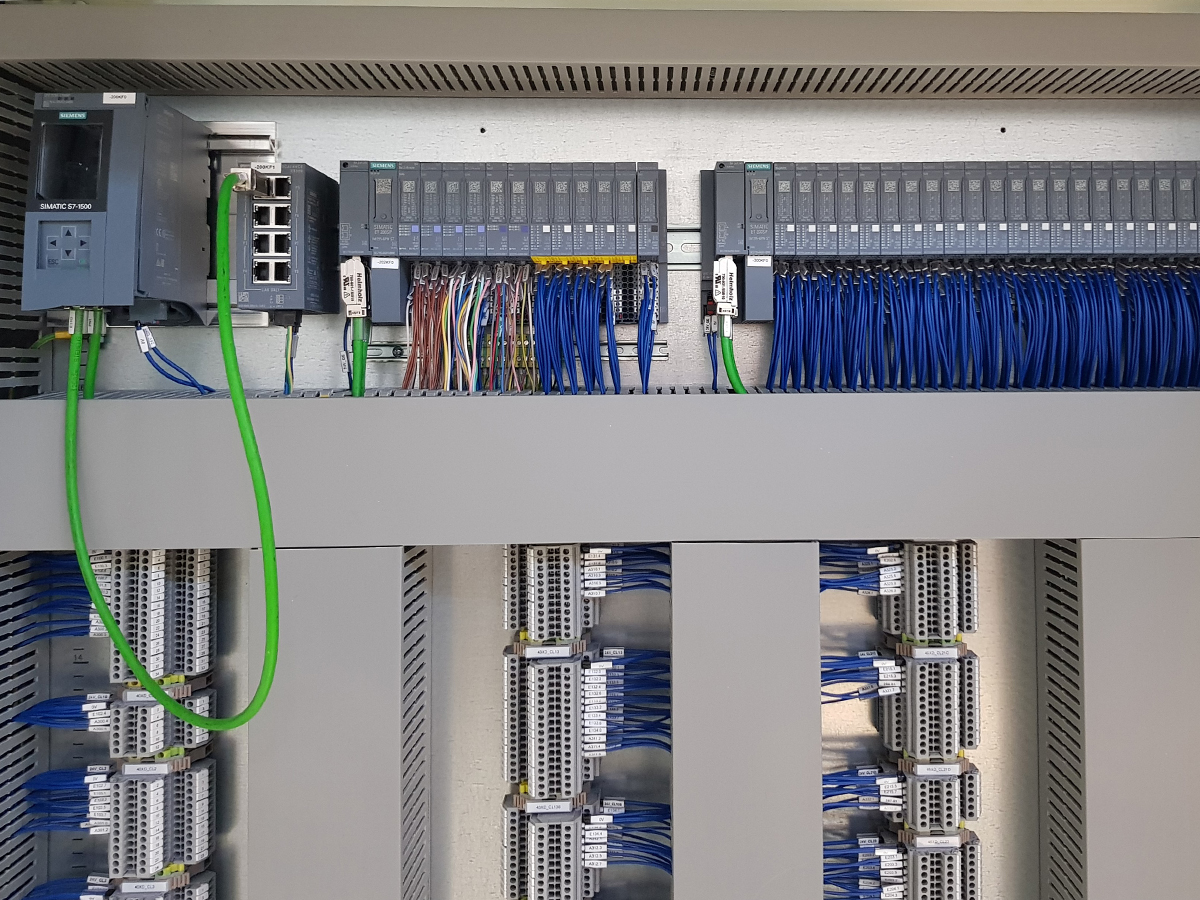
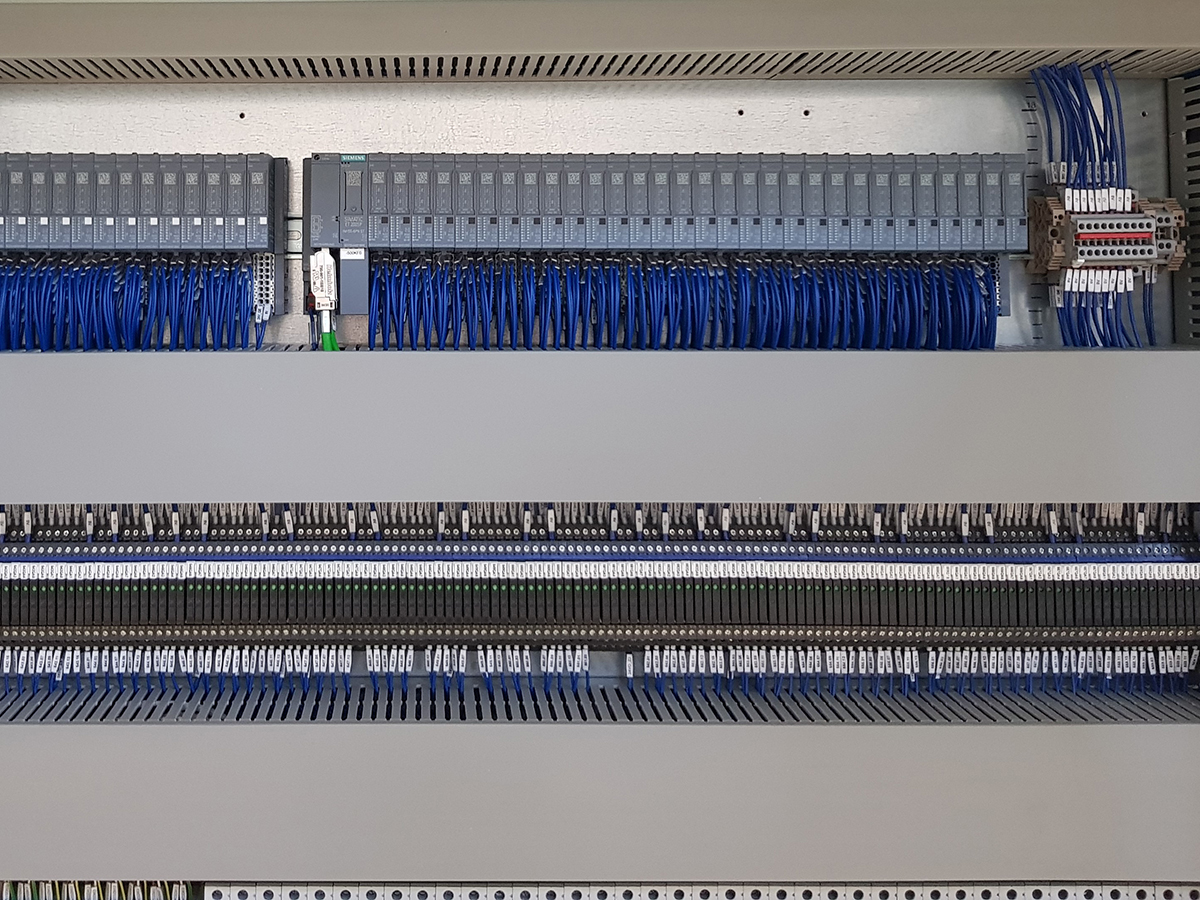
PLC and control panel integration is where industrial automation and control systems either work or they don't. Here the control panel is treated purely as a functional part of the system: what matters is how control, field signals, devices, drives, operator interfaces and software logic fit together.
We coordinate the connections and the communication between the PLC and the sensors, actuators, safety systems, motors, inverters and everything else on the machine. The aim is an architecture that hangs together, where every component exchanges the right data and responds to the logic the process demands.
Get that right and the machine runs more predictably, the operator's job gets simpler, and anything going wrong is easier to spot.
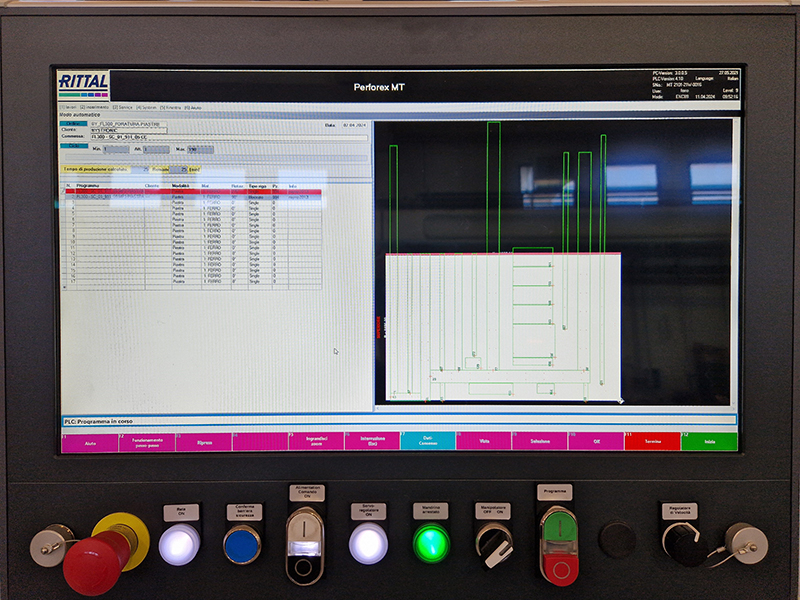
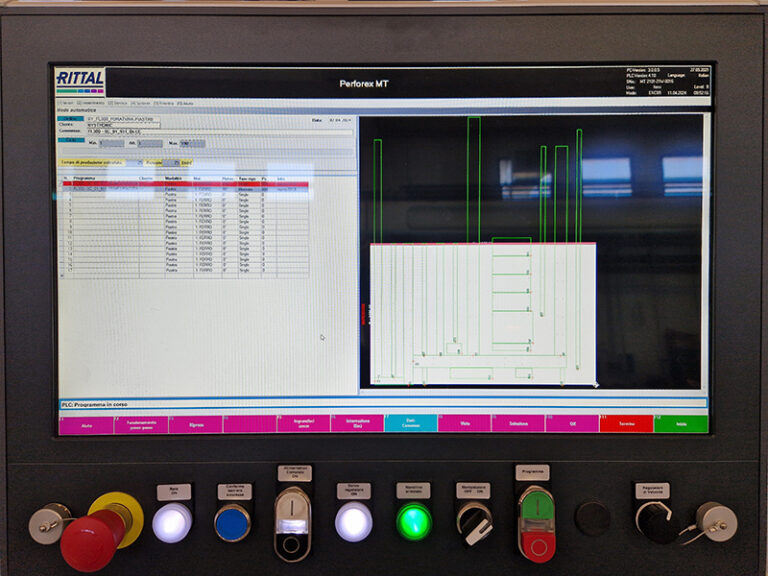
The system can also include HMI screens and supervision tools for displaying machine states, alarms, running parameters and whatever else is useful for managing production.
We also carry out retrofit work on existing machines and systems, looking at whether components, control systems and operating logic can be brought up to date without replacing the machine outright.
A retrofit tends to make sense when equipment has become obsolete, spare parts are getting hard to find, the software no longer does what production needs, or the machine has to be adapted to new work.
Every job starts with an assessment of what is already there: the documentation available, the condition of the components, the functions that have to be preserved, the performance required, and any issues reported by operators and maintenance staff.
From that we put together an upgrade plan, which might involve replacing outdated devices, reworking the PLC logic, improving diagnostics, bringing in new signals or updating the operator interfaces.
The point is not to change things for the sake of it. It is to identify the work that makes sense technically and financially, extends the working life of the machine and makes it more reliable.