Design and Software

Electrical design and software development for industrial automation

A reliable automatic machine is the product of four things fitting together properly: the electrical design, the components, the control system and the software. BMC Elettrica runs an in-house technical office covering the schematics and the documentation as well as the PLC software development, so that new machines, existing systems and upgrade work are handled as one coordinated job.

Design work starts from what the machine has to do, how the system is built and the conditions it will run in. Every decision has to hold up through the stages that come afterwards: manufacturing, wiring, testing, commissioning and maintenance.

This is why the wiring diagram is not treated as a document to be filed once the machine ships. It describes the system, and it has to keep describing it for as long as the machine is running.

Electrical design in EPLAN Pro Panel

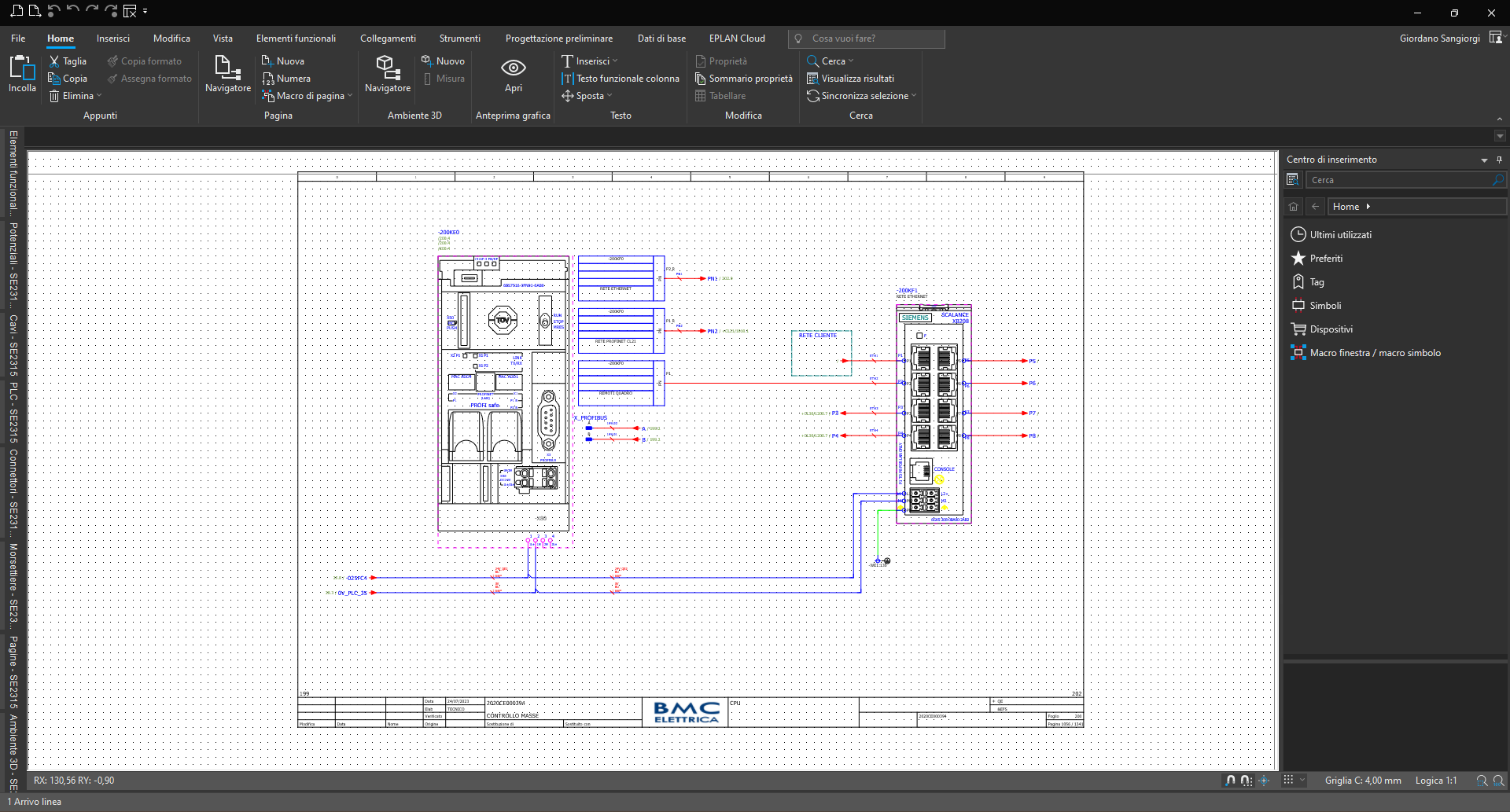
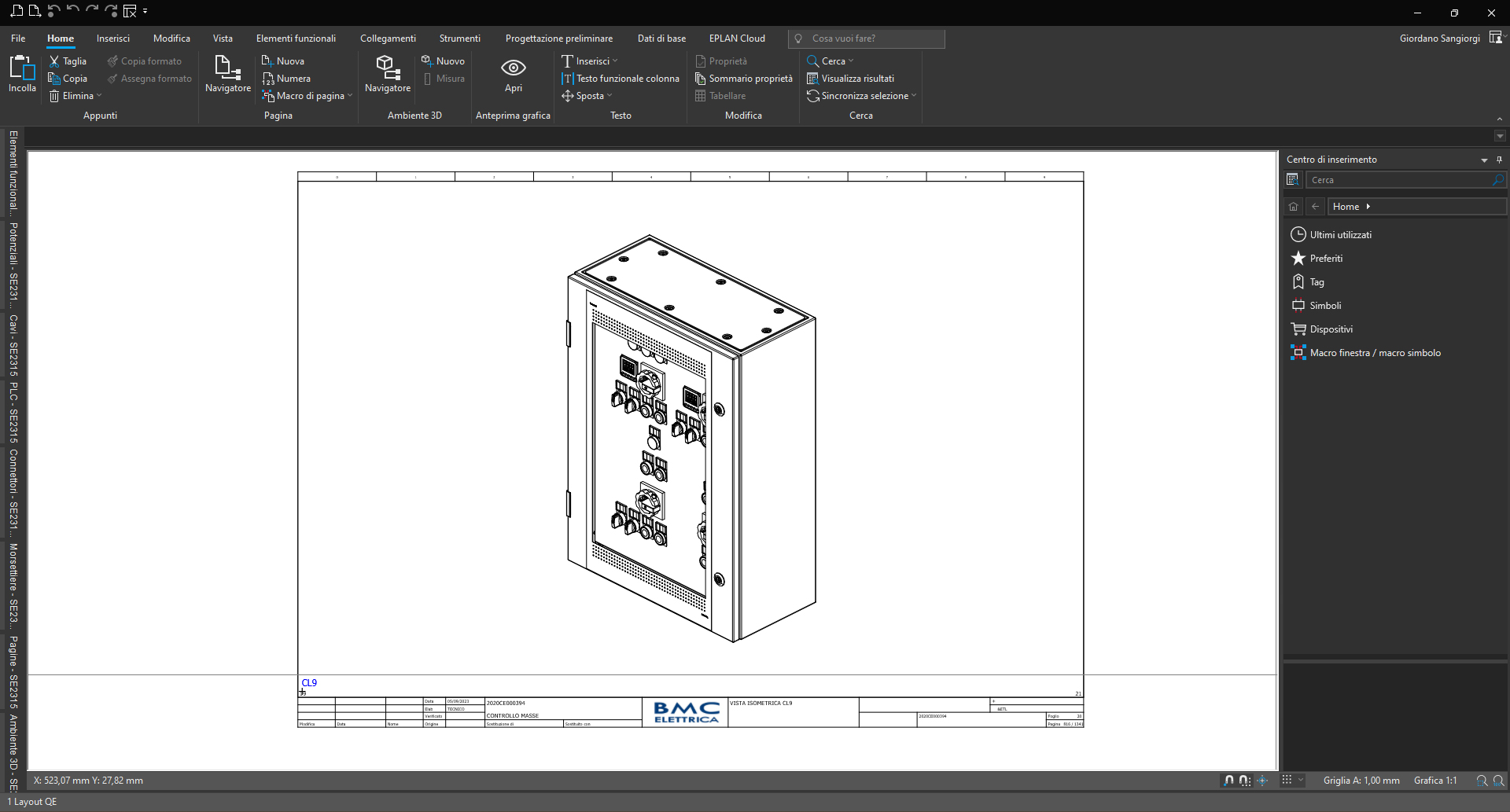
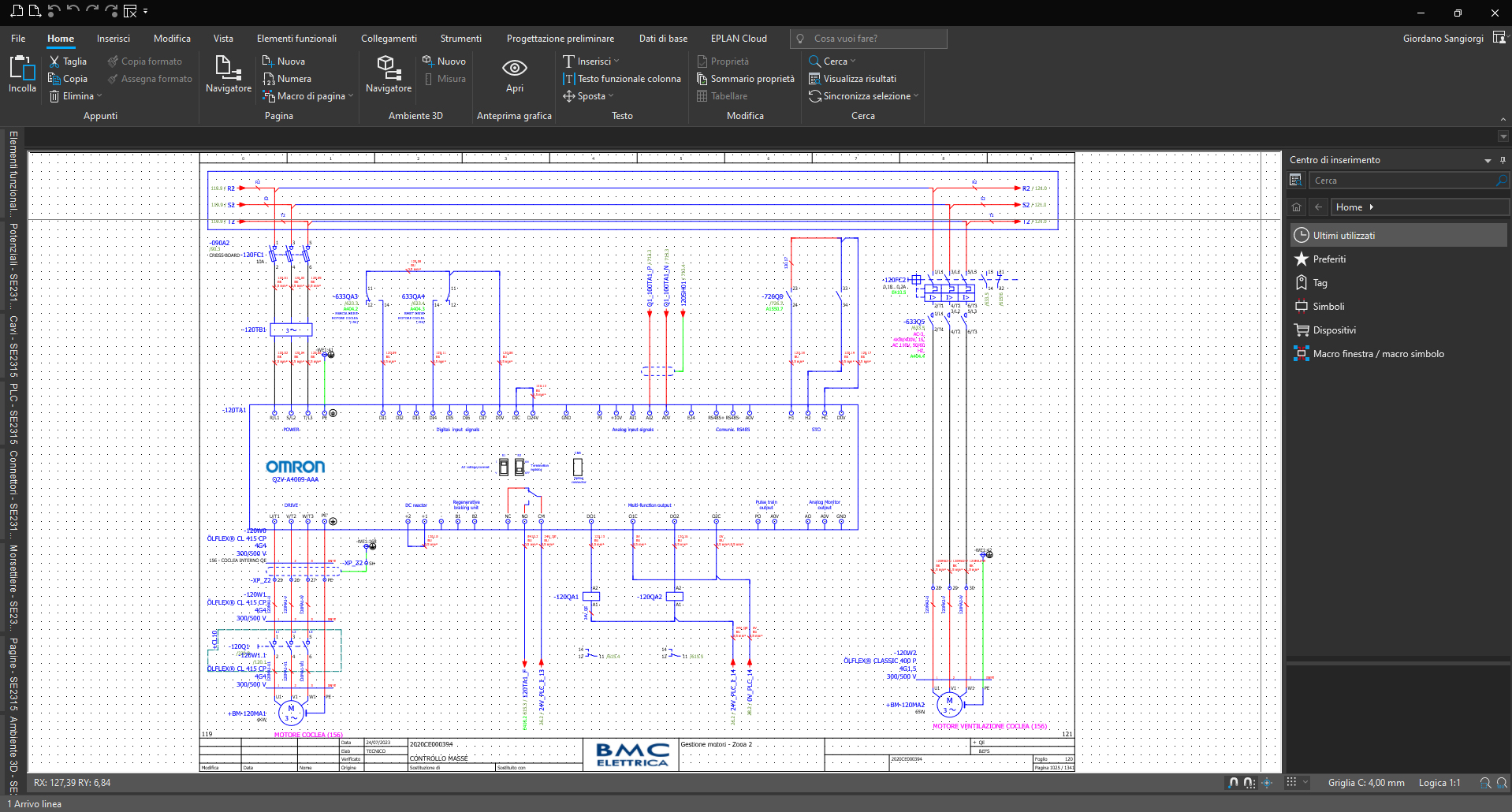
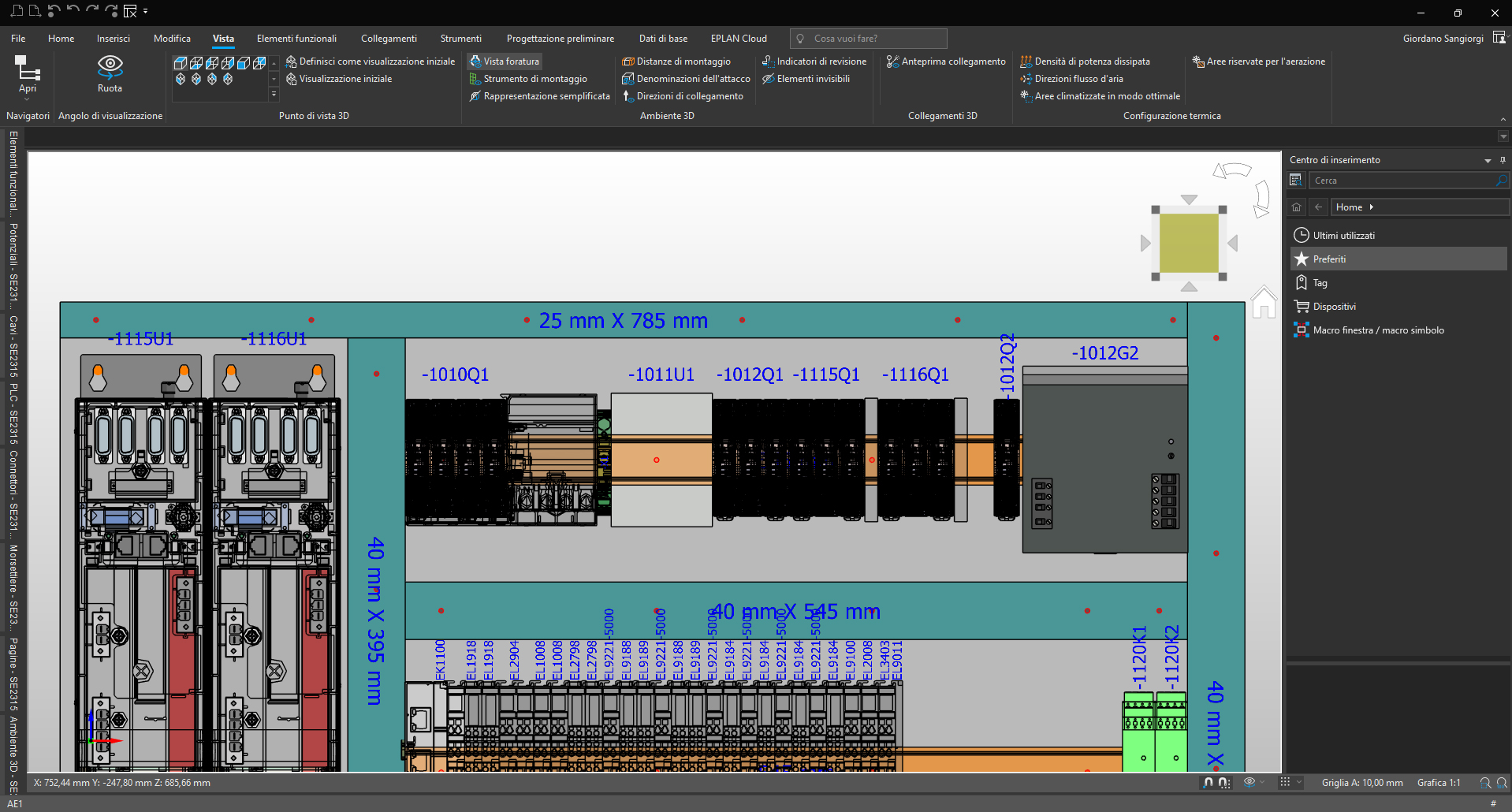
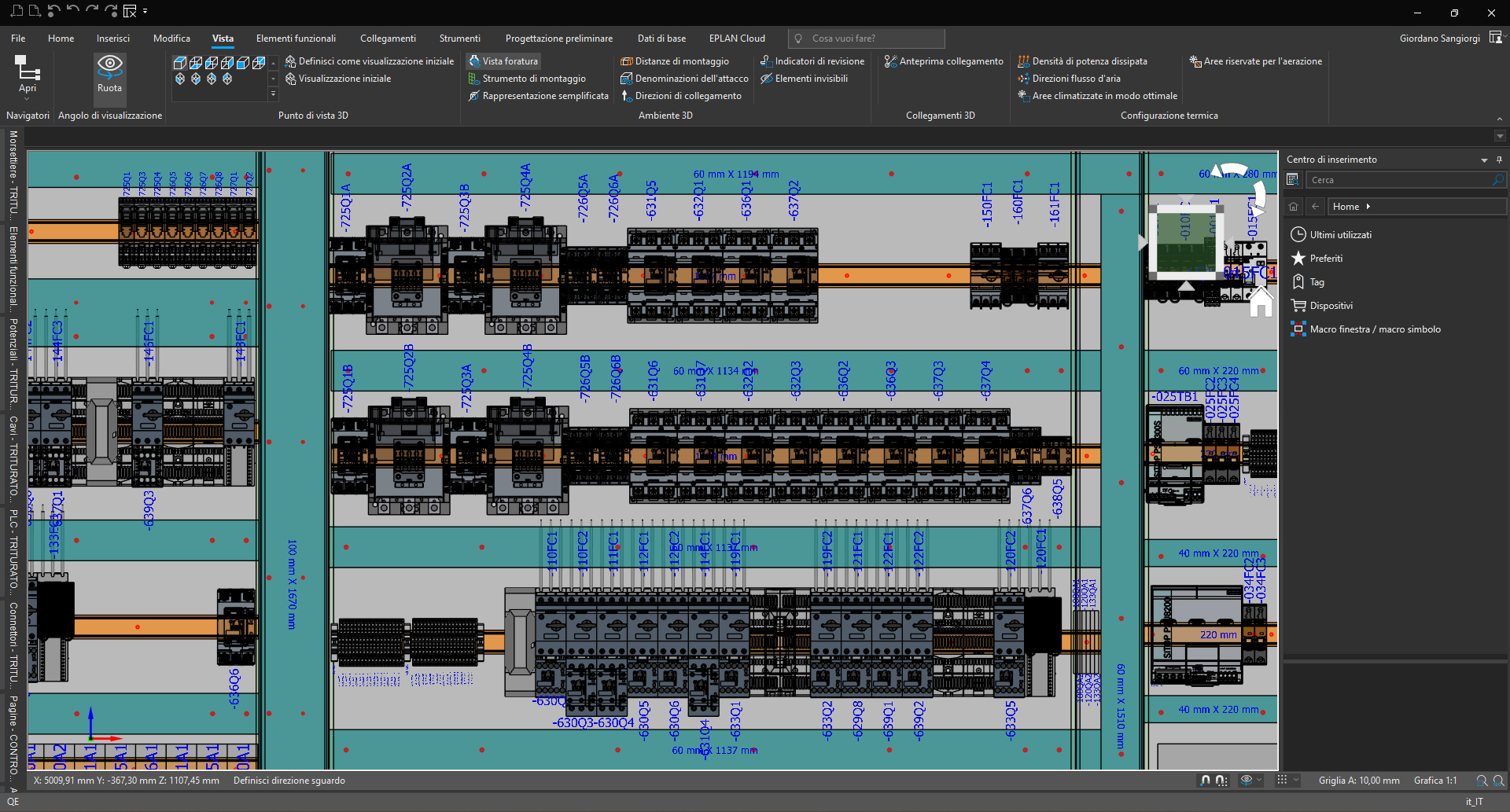
We design in EPLAN Pro Panel, producing schematics, layouts and technical documentation for industrial machinery and equipment.

The software gives structure to everything that has to be recorded — components, connections, devices and the space they occupy. A project can cover the wiring diagrams, the panel layout, the parts lists and the documentation that manufacturing will need further down the line.

Clear, current documentation repays the effort several times over. It makes work easier for whoever has to assemble and wire the system, it cuts down on misreadings, and it lets maintenance engineers find a component or trace a connection without guesswork.

Working in EPLAN Pro Panel also keeps the drawing and the finished article closer together: space gets allocated properly, access is thought through in advance, and how the thing will actually be installed is far less of a surprise.

Electrical schematics for machines and systems

For companies that need electrical schematics drawn up, we work to whatever the project requires — new machines, upgrades, extensions or work on systems already in service.
Before anything gets drawn we collect what is available: functional specifications, the components involved, signals, motors, safety systems, operating modes and any standards you want applied.

The documentation is then developed to be readable during the build and still readable years later. A good wiring diagram lets someone reconstruct how the system works, follow the connections, and get on with diagnosis, maintenance or modification without having to reverse-engineer the machine first.
Where we are working on an existing system, the job can also include reviewing whatever documentation exists and bringing it into line with the changes that have actually been made.

Software development and programming

Working in dedicated electrical design software keeps project information organised, rather than fragmented across documents that follow no common standard.
Schematics, layouts, parts lists and references all follow the same logic, which makes it easier for designers, production, panel wirers, programmers and maintenance staff to work from the same picture.

That continuity matters most on complex projects, where changing one component can affect the connections, the software and the spare parts list at the same time. Coherent documents give you better control over revisions and reduce the risk of a machine leaving the workshop built to a version that has since been superseded.

Documentation can be supplied digitally and, where required, on paper, so it travels with the machine through installation, commissioning and daily use.

BMC Elettrica develops PLC software for automatic machinery and industrial systems. The logic is built around the operating cycle, the signals available, the safety conditions and the performance required.

Programming covers automatic sequences, permissives, interlocks, movements, parameters and fault conditions. We pay particular attention to how the software is structured and to diagnostics, so the system is easier to test, easier to run and easier to maintain.
Well-organised software is what makes a process stable and repeatable. It also makes it much quicker to tell a software problem apart from an electrical, mechanical or process fault, which cuts the time needed to put things right.

We work mainly on the established industrial automation platforms: TwinCAT for Beckhoff systems and TIA Portal for Siemens.

TwinCAT is one of the platforms we use for programming and managing automation systems built on Beckhoff technology.

The platform lets us develop PLC logic, coordinate devices and handle the various machine functions within a single integrated architecture. How it is configured depends on the project: the number of signals, the communications required and the performance expected.

Development covers more than normal running. Manual modes, stops, restarts and error conditions all get thought through, so that the software gives operators and maintenance staff practical support in day-to-day use.

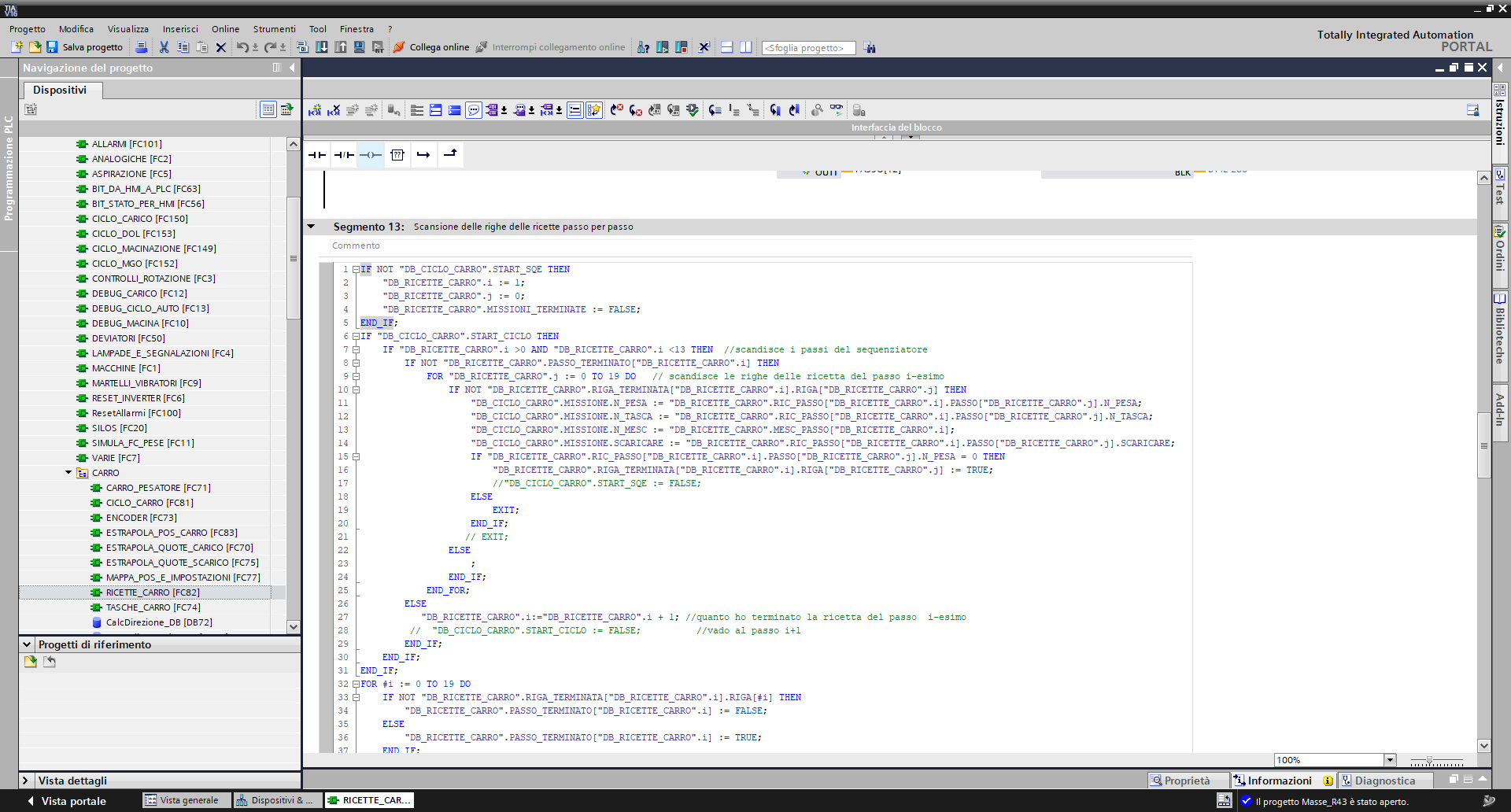
For systems built on Siemens technology we use TIA Portal, the environment for developing and configuring the automation. A project can take in the PLC, the operator panels, communications and the devices integrated into the machine. We develop it keeping the control logic, the information on screen and the diagnostics consistent with each other.

Working in a single integrated platform makes coordination between the various parts of the system easier and modifications less disruptive. Here too, the configuration follows the real characteristics of the application and whatever the customer has specified.

HMI and SCADA programming completes the control system, giving the operator an interface to run the machine, set parameters and see what is going on.

We build screens for clarity and practical use. They can show machine states, process values, recipes, operating modes, warnings and alarms.

A well-designed HMI helps the operator understand what is happening and respond correctly. Alarm handling is structured so that the message does more than announce that the machine has stopped — it indicates where the problem is.

On SCADA supervision systems, information from different parts of the system can be brought together to give a fuller view of the process.

Software upgrades on existing systems

We also work on existing software, where updating it makes technical and commercial sense. That might mean migrating to a new platform, reworking sequences, adding functions or improving diagnostics.

Before anything changes we look at how the machine currently behaves and identify the functions that have to be preserved. This step matters: it stops an upgrade from breaking established working practices or introducing unexpected changes.

Development is followed by functional testing and commissioning. The final stage can include working alongside the operators and supporting the machine as it goes back into production.

Integrated skills for electrical design and automation

With electrical design in EPLAN Pro Panel, schematics, industrial PLC programming, HMI and SCADA work and experience in both TwinCAT and TIA Portal, BMC Elettrica offers an integrated technical service aimed at systems that are more reliable, better documented and easier to manage.