Robot

Industrial and collaborative robots for automating production processes

BMC Elettrica develops solutions built around industrial and collaborative robots, working with companies to automate operations that are repetitive, physically demanding, or that have to hold a high level of precision and continuity.

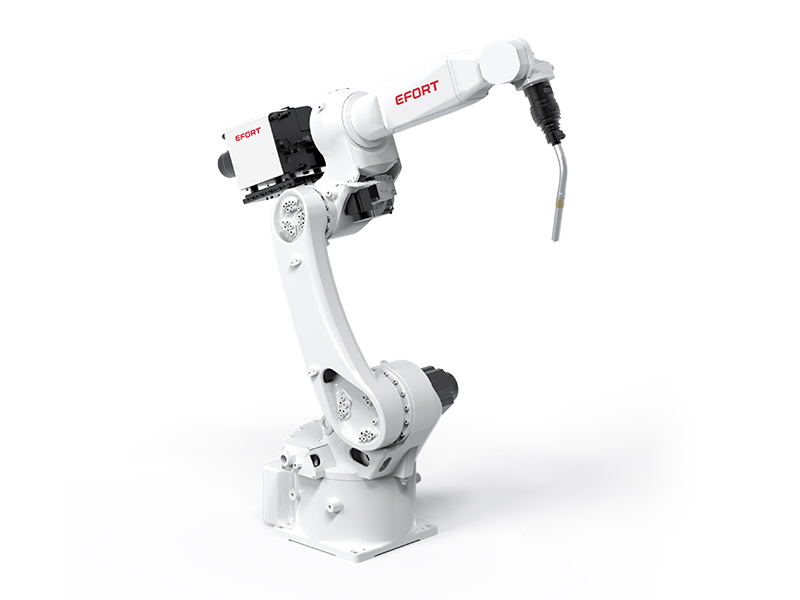
Through our partnership with EFORT we supply and integrate robotic systems, following the project from the initial assessment through to production start-up.

Bringing in a robot is a decision that has to be weighed against the process as a whole. Choosing the model or the payload is not enough on its own: cycle times, the space available, the objects being moved, the operating conditions, the gripping system, safety and the interaction with the other machines all have to be assessed.

That is why we take an integrated approach, combining electrical, software and automation skills to develop a robot cell that matches what the customer is trying to produce.

Robot supply for industrial automation

Supplying robots for industrial automation means choosing the configuration that suits the application and integrating it into the line or the machine.

The first stage is gathering the information: the product, the weight to be handled, the distance to be covered, the precision required and the speed of the cycle. We also look at how the robot will receive and release the part, and which signals it will exchange with the other equipment in the area.
From there the system takes shape, covering the robot, the gripper or tool, the layout, the control logic and the safety systems.

Integration takes in the electrical connections, communication with the PLC and field devices, software development and, where the application calls for it, the HMI screens needed to run the cycle.
EFORT robot integration

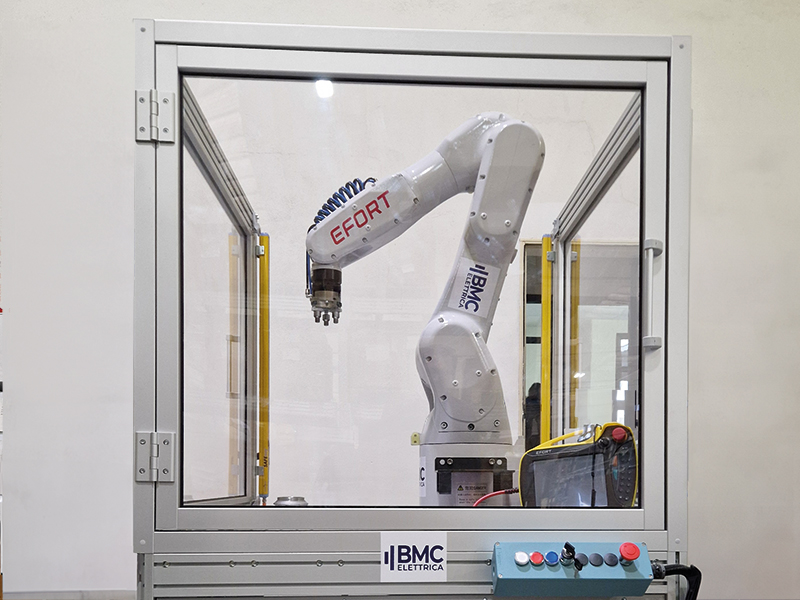
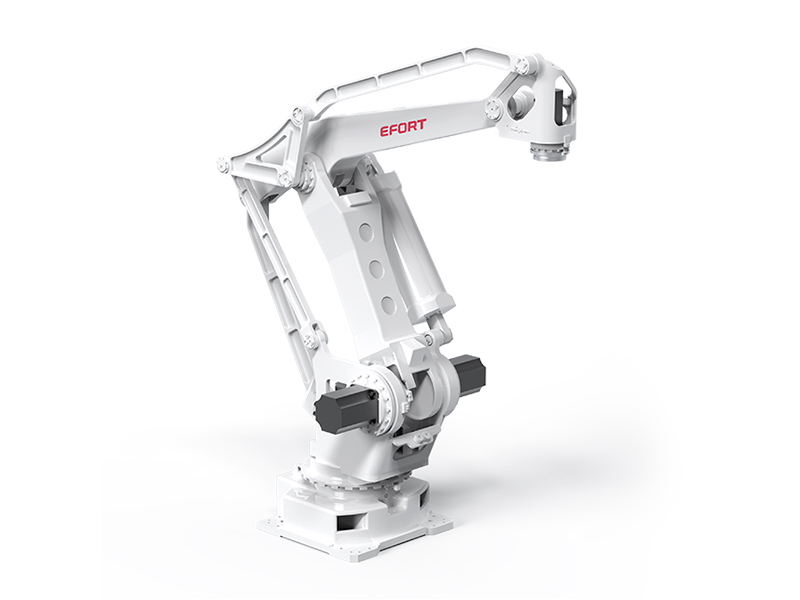
BMC Elettrica delivers EFORT robot integration projects across a range of industries. The partnership gives us a range of robotic solutions to configure around specific requirements.

The robot is chosen on concrete technical parameters: payload, reach, repeatability, speed and the type of work involved. The system is then completed with whatever the application needs — grippers, tooling, sensors, guarding and safety devices.

The robot is integrated with the rest of the system so that the sequences are coordinated. Presence signals, permissives, cycle requests, machine states and alarm conditions are all handled through logic that lets the various pieces of equipment operate as one system.

Start-up is where movements, paths, pick-and-place positions, timings and the response to abnormal conditions get checked. Optimisation then brings the cell into line with real production conditions.

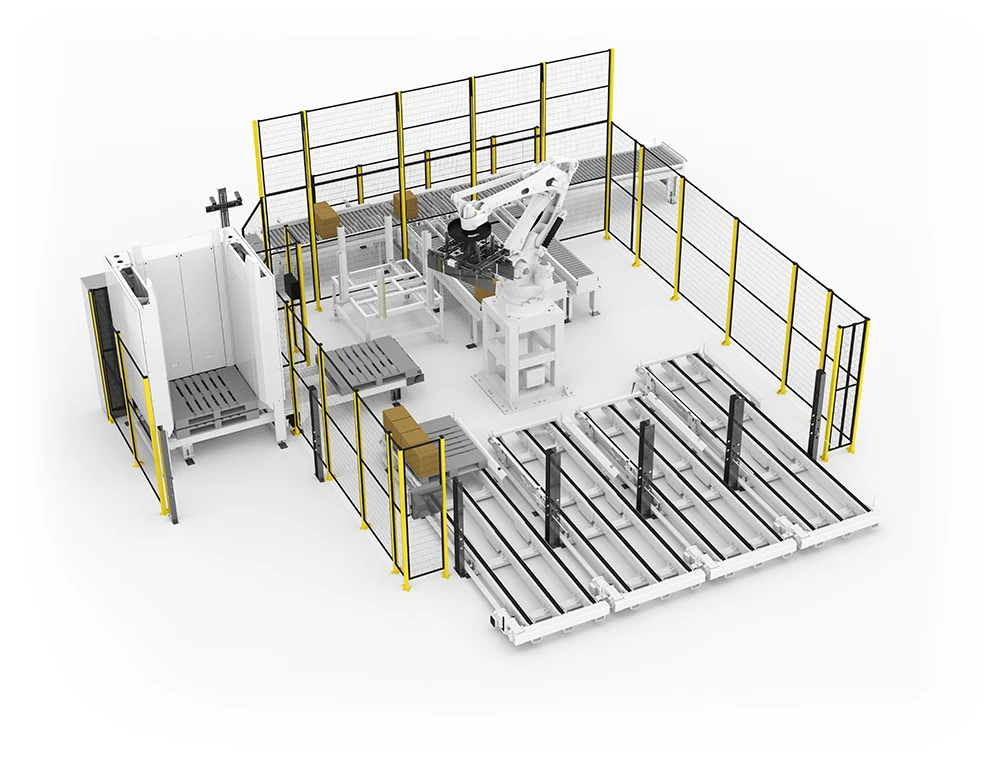
Robotic palletising

Robotic palletising systems automate the arrangement of products, boxes, sacks or other items onto pallets, following defined patterns.

Palletising lends itself particularly well to robots because it calls for continuity, repeatability and the handling of loads. A robot will run the same sequence all day without the position or the orientation drifting.
We look at where the items come from, their shape and weight, the rate of the line and the configuration of the pallet. On that basis the gripping system is defined and the placing sequence is programmed.

A project can also take in depalletising, end-of-line handling and communication with belt and roller conveyors and other handling equipment. Where production runs to several formats, different pallet patterns can be developed and selected by the operator from the control panel, so that the cell adapts to different configurations without a complete reprogramming job.

Enhanced productivity and robotic precision

Robotic welding allows repetitive work to be carried out with greater consistency in the paths followed and in the parameters of the process.

Before welding is automated, the geometry of the part, the materials, the positioning, access to the joints and how the station is fed all have to be assessed. The precision with which components are presented to the robot also affects the final result.

We integrate the robot with the welding equipment and with whatever else the cycle requires. Sequences are developed around start-up, positioning, the work itself, monitoring of states and alarm handling.

Robotics can improve the repeatability and the continuity of the process, but it has to be designed around the real characteristics of the product. That is why every project is preceded by a technical assessment of the work involved and of the production conditions.

Machine tending is another area where robots can make a significant difference. A robotic system can take care of loading and unloading presses, machine tools, processing equipment and other automatic machinery.

The robot takes the part from a feed system, positions it in the machine, waits for the cycle to finish and passes it on to the next stage. Every one of those steps has to be synchronised through the exchange of signals and permissives.

We design the communication logic between the robot, the machine and the ancillary devices so that each transfer happens under the right conditions. Diagnostics are organised so that the operator can identify a missing part, a failed pick or a stopped cycle.

Automating machine tending can make timings more consistent and free operators from repetitive work, leaving them to concentrate on checks, preparation and running the process.

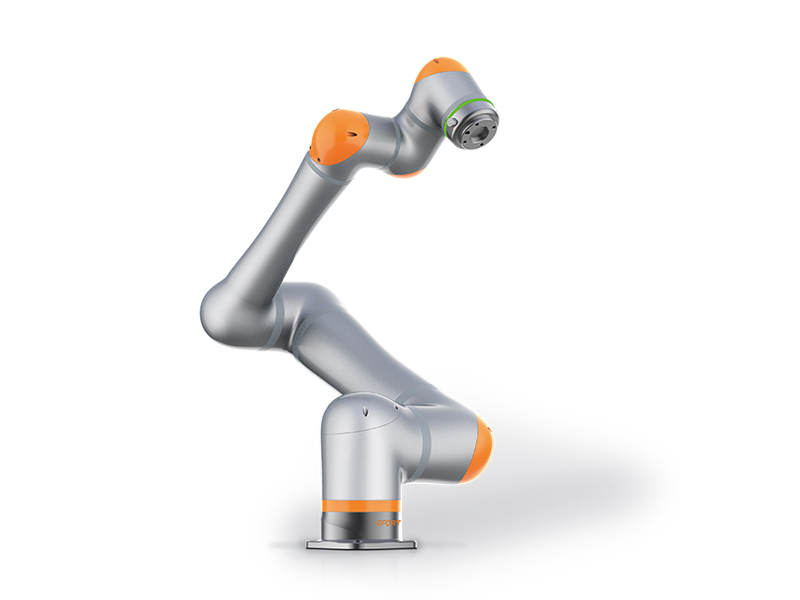
Collaborative robots suit applications that call for closer interaction with the operator, or for a layout that a traditional robot cell cannot accommodate.

The collaborative nature of the robot does not remove the need to assess the risks of the application. Tooling, the parts being handled, speeds, forces and layout all have to be evaluated in order to define the operating modes and the safety measures properly.

We study the process and identify the most appropriate solution, choosing between industrial and collaborative robots based on what the application actually needs, rather than assuming that one is always better than the other.

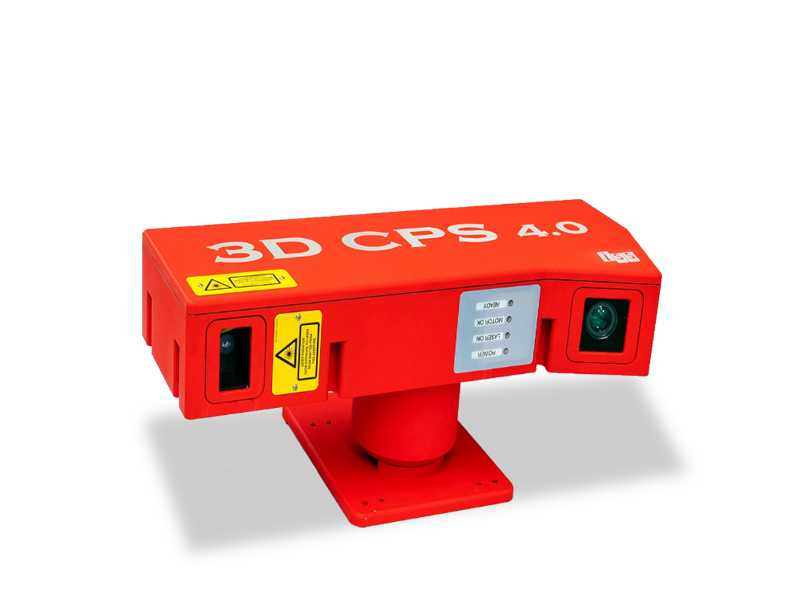
Where the application calls for it, a robotic system can be integrated with vision technology. Cameras and sensors can help locate a part, confirm that it is there, or provide information that assists the pick.

Whether vision is worth using has to be judged against the variability of the product, the lighting, the precision required and the characteristics of the environment. The data collected is passed to the control system and used to adapt the robot's movement or to verify a condition in the process.

The BMC method: from assessment to start-up

Assessment of the process

Cycle times, the quality required, the space, the constraints and how the operation is run. The robot, the gripping system, the layout, safety and the interfaces with the other equipment are then defined.

Installation, electrical integration and software development

After preliminary testing, the system is started up and optimised under real production conditions.

Testing

Confirms sequences, signals, movements and error handling. During fine-tuning, paths, speeds and timings can be adjusted until the cycle runs reliably.

BMC Elettrica offers a feasibility assessment

For companies considering industrial and collaborative robots, robotic palletising, robotic welding or machine tending, BMC Elettrica offers a feasibility assessment based on concrete data. Robot supply for industrial automation and EFORT robot integration together make it possible to develop complete solutions, designed to improve productivity, repeatability and control of the process.